Epilepsy in Adults vs Children: Key Differences
Epilepsy in Adults vs Children: Key Differences Epilepsy is a neurological disorder characterized by recurrent, unprovoked seizures, and it can affect people at any stage
appointments@cncmail.in
Strokes occur when the brain’s blood supply is suddenly disrupted, causing brain cells to die from lack of oxygen. In an Ischemic and Hemorrhagic Stroke situation, the cause may be either a blockage or internal bleeding. An ischemic stroke happens when a clot blocks a brain artery, cutting off blood flow. A hemorrhagic stroke, on the other hand, occurs when a weakened blood vessel ruptures and bleeds into surrounding tissue. Although both types deprive brain cells of oxygen, their origins, treatments, symptoms, and recovery timelines differ. Understanding these differences and recognizing symptoms early is crucial for better outcomes. At CNC Hospitals recognized among the best hospitals and trusted as one of the Best Neurology Hospital in Hyderabad for advanced stroke and neuro care, timely treatment saves lives at this neuro hospital.
Strokes typically arise from either a blockage or bleeding inside the brain, forming the two major types of stroke. An ischemic stroke develops when a clot obstructs a brain artery. Thrombotic strokes occur when a clot forms directly in the brain, while embolic strokes happen when a clot travels from the heart or elsewhere. Major risk factors for stroke include high blood pressure, high cholesterol, smoking, diabetes, atrial fibrillation, and previous TIAs.
A hemorrhagic stroke, in contrast, results from bleeding inside or around the brain. Chronic high blood pressure, aneurysms, arteriovenous malformations, and traumatic brain injuries are the most common causes. These conditions significantly increase the likelihood of developing severe hemorrhagic stroke symptoms. CNC Hospitals, known as one of the top hospitals and appreciated as the Best Neurology Hospital in Hyderabad, ensures rapid evaluation and expert intervention by neurologists.
Both stroke types share similar signs because they interfere with blood flow and oxygen delivery to the brain. Common ischemic stroke symptoms and hemorrhagic stroke symptoms include sudden numbness or weakness (especially on one side of the body), facial drooping, trouble speaking, confusion, loss of coordination, dizziness, blurred vision, or a sudden severe headache with no known cause.
Experts recommend using the F.A.S.T. method Face drooping, Arm weakness, Speech difficulty, Time to call emergency services. Early recognition of these signs and the underlying causes of stroke is vital because immediate medical attention dramatically improves recovery. If you notice any signs, don’t wait to consult a neurologist near me to act quickly.
When a stroke is suspected, doctors move quickly because time is critical. A CT scan is usually the first test and helps detect bleeding or major clots. If further detail is required, an MRI can identify smaller abnormalities or brain damage. Additional tests such as blood work, ECG monitoring, and sometimes lumbar puncture support accurate stroke diagnosis, helping specialists choose the safest and most effective treatment plan.
Neuroimaging such as MRI and CT is essential for diagnosing neurological disorders, including stroke. These imaging methods allow neurologists to differentiate between ischemic and hemorrhagic stroke, guiding fast decision-making in a stroke care hospital setting.
Treatment varies widely depending on whether the stroke is ischemic or hemorrhagic.
For ischemic strokes, the goal is to restore blood flow. Common stroke treatment options include administering tPA (a clot-dissolving medication), performing mechanical thrombectomy (physically removing the clot), and prescribing antiplatelet or anticoagulation medications.
In hemorrhagic strokes, the focus shifts to stopping the bleeding and reducing pressure inside the skull. Treatment may include endovascular coiling or surgical clipping to repair ruptured vessels. In some cases, pooled blood may need surgical removal. Blood pressure is closely monitored, and intensive care support is provided when necessary at a top neurology hospital that offers 24/7 critical care.
Recovery after a stroke varies depending on its type, severity, and how quickly treatment begins. Generally, ischemic strokes offer better short-term outcomes, while hemorrhagic strokes may cause more immediate damage.
Rehabilitation is essential for long-term stroke recovery. Many patients benefit from stroke rehabilitation, physical therapy, occupational therapy, and speech therapy. Early rehabilitation helps regain strength, balance, speech, and independence. At CNC Hospitals, regarded as a top neurology hospital and respected as the best neuro hospital for comprehensive rehabilitation, multidisciplinary teams ensure structured recovery programs tailored to each patient.
Fortunately, many strokes can be prevented. The most effective stroke prevention strategies include controlling blood pressure, cholesterol, and diabetes; quitting smoking; staying physically active; maintaining a healthy weight; and following a nutritious, balanced diet. Managing atrial fibrillation with proper medication also lowers the risk of clot-related strokes.
A transient ischemic attack (TIA) should never be ignored. Even though temporary, TIAs act as strong warnings of a future major stroke. Prompt medical assessment helps prevent more severe neurological events. At CNC Hospitals, patients are educated about when to see a neurologist and understand what a neurologist does, helping them take proactive steps to reduce risk.
Both ischemic and hemorrhagic strokes interrupt the brain’s oxygen supply one due to blockage and the other due to bleeding. Recognizing symptoms early and seeking emergency care immediately is critical because every minute influences outcomes.
CNC Hospitals provides 24/7 stroke care hospital services supported by advanced imaging, rapid diagnostics, specialized emergency treatment, and structured rehabilitation programs at a stroke care hospital that truly lives up to its reputation as one of the best hospitals and a top destination for best neurologist‑led neurological recovery.
Epilepsy in Adults vs Children: Key Differences Epilepsy is a neurological disorder characterized by recurrent, unprovoked seizures, and it can affect people at any stage

How Dementia & Alzheimer’s Disease Progress (Early Signs & Management) How Dementia & Alzheimer’s Disease Progress (Early Signs & Management) If someone you care about
How TAVI Has Changed Treatment for High-Risk Heart Patients Severe aortic stenosis is a serious heart condition that can become life-threatening if left untreated. It
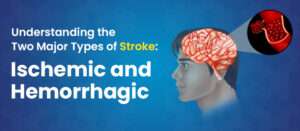
Understanding the Two Major Types of Stroke: Ischemic and Hemorrhagic Strokes occur when the brain’s blood supply is suddenly disrupted, causing brain cells to die