
@Banjarahills – 94949 84747 @Trimulgherry – 90529 84747
@Uppal – 99855 84747
Specialist evaluation and treatment options for conditions affecting blood vessels in the brain and nervous system.
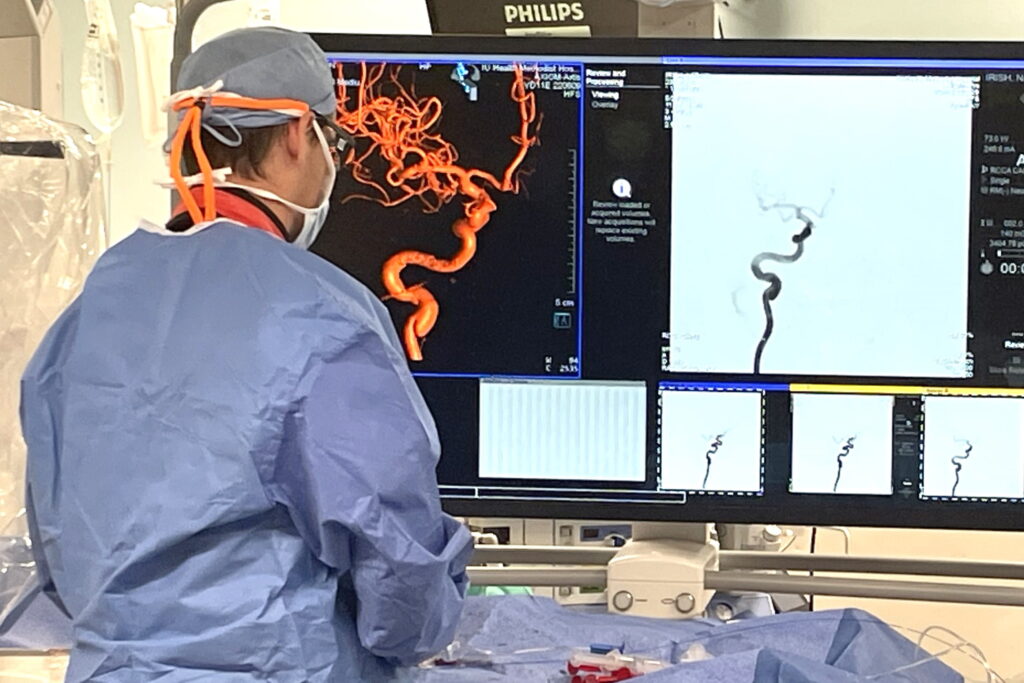
Neurovascular conditions affect the blood vessels that supply the brain and other parts of the nervous system. Some may require close monitoring, medication, minimally invasive procedures or surgery. Timely assessment by a specialist helps determine the most appropriate approach based on the condition and individual needs.
Neurovascular surgery focuses on diagnosing and treating selected disorders involving blood vessels in and around the brain. Treatment may involve open surgery or endovascular techniques, in which specialists access blood vessels through a catheter. The approach depends on the diagnosis, anatomy and clinical circumstances.
A specialist may assess patients with certain vascular conditions, including:
The appropriate treatment varies by condition. Not every neurovascular disorder requires surgery.
Symptoms can vary depending on the condition and its location. They may include severe or unusual headache, vision changes, weakness, numbness, speech difficulty, or problems with coordination.
if a sudden severe headache, facial drooping, weakness on one side, speech difficulty, loss of vision or sudden loss of balance occurs. These may indicate a medical emergency.
After reviewing clinical history and diagnostic imaging, the specialist may discuss options such as observation and follow-up, medication, endovascular treatment or open surgery. The choice depends on the specific diagnosis, risks, and expected benefits.
Endovascular procedures may use catheters and specialised devices to treat certain vascular problems from inside the blood vessels. Open surgery may be considered in selected cases. A treating specialist explains the available options and their risks.
Evaluation may include a neurological examination and imaging tests such as CT, MRI, CT angiography or MR angiography. Additional tests, including catheter angiography, may be recommended when clinically appropriate. The treating team determines which investigations are needed.
Patients can consult the relevant specialist at Citi Neuro Centre to discuss symptoms, diagnostic findings and potential treatment options for neurovascular conditions. The care team can explain the recommended evaluation and next steps.

Banjara hills

Trimulgherry

Uppal
If you have been diagnosed with a neurovascular condition or are experiencing neurological symptoms, specialist evaluation can help clarify the diagnosis and guide appropriate treatment discussions.
No. Management depends on factors such as the aneurysm’s size, location, shape, symptoms and individual risk. A specialist can discuss monitoring or treatment options.
Open surgery involves direct surgical access, while endovascular treatment uses catheters and devices inside blood vessels. The suitable method depends on the condition.
Some vascular conditions can cause bleeding or interrupt blood flow to the brain. Sudden stroke-like symptoms require emergency medical attention.
Depending on the clinical situation, evaluation may include CT, MRI, CT angiography, MR angiography or catheter angiography.
A specialist reviews your symptoms, medical history and imaging to discuss appropriate options, risks and follow-up.
