

Specialist evaluation and surgical options for selected patients whose seizures remain difficult to control with medication.
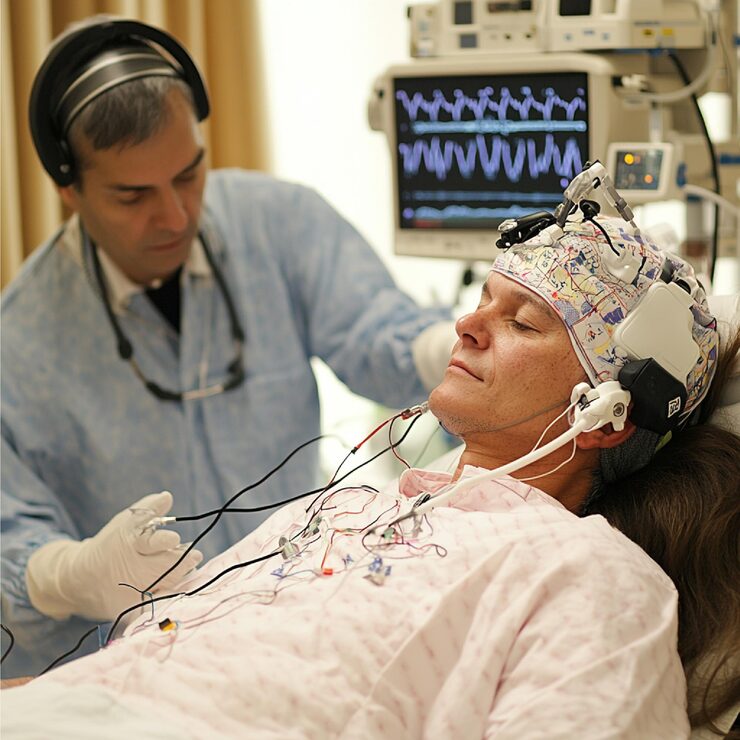
Epilepsy surgery may be considered when seizures continue despite appropriate anti-seizure medication. After detailed assessment, surgery may remove, disconnect or modify the brain area or pathway responsible for seizures, when this can be done safely.
Surgical evaluation may be recommended for people with drug-resistant epilepsy, particularly when tests identify a seizure focus that may be treated. Not everyone with epilepsy is a candidate for surgery; suitability depends on seizure type, brain findings and the potential risks and benefits.
Seek specialist review for recurrent seizures, episodes of loss of awareness, unexplained staring spells or seizures that continue despite prescribed medication. A first seizure or a change in seizure pattern should also be medically assessed.
Emergency warning: Seek emergency help if a seizure lasts 5 minutes or longer, seizures occur repeatedly without recovery, breathing is difficult, or the person is seriously injured.
Pre-surgical evaluation aims to identify where seizures begin and assess whether surgery is appropriate. It may include medical history, neurological assessment, EEG or video EEG, brain MRI, PET imaging, neuropsychological testing and other investigations. Intracranial monitoring may be considered in selected cases.
The procedure depends on seizure origin and the results of evaluation. Options may include selective amygdalo-hippocampectomy, anterior temporal lobectomy, extratemporal resection, functional hemispherectomy, corpus callosotomy or multiple subpial transection. These procedures are not suitable for every patient.
Epilepsy surgery planning may involve neurologists, neurosurgeons, neurophysiologists, neuroradiologists and neuropsychology specialists. The team reviews test results, expected benefits, risks and alternatives before recommending a treatment plan.
Recovery depends on the procedure, the patient’s health and individual circumstances. Follow-up may include clinical review, seizure monitoring, imaging when indicated and medication management. Anti-seizure medication should not be changed or stopped without guidance from the treating specialist.
Citi Neuro Centre’s epilepsy surgery page describes multidisciplinary assessment involving neurology, neurosurgery, neurophysiology, neuroradiology and neuropsychology. Patients can be evaluated to discuss whether surgical treatment or another approach may be appropriate.

Banjara hills

Trimulgherry

Uppal
If seizures continue despite medication, a specialist evaluation can help determine whether epilepsy surgery or another treatment option may be appropriate.
Some people with drug-resistant epilepsy may be considered after detailed testing and specialist review.
Outcomes vary. Surgery may reduce or stop seizures in selected patients, but seizure freedom cannot be guaranteed.
Evaluation may include EEG or video EEG, MRI, PET, neuropsychological testing and other investigations based on the case.
Many patients continue anti-seizure medication after surgery. Any changes should be made only by the treating specialist.
Depending on the seizure focus, procedures may include resection, disconnection or selected neuromodulation approaches.
Recovery varies according to the procedure and individual health. The care team will provide guidance on hospital stay and return to activities.