

Explore treatment options for hip joint damage, persistent pain and stiffness with orthopaedic specialist evaluation at Citi Neuro Centre.
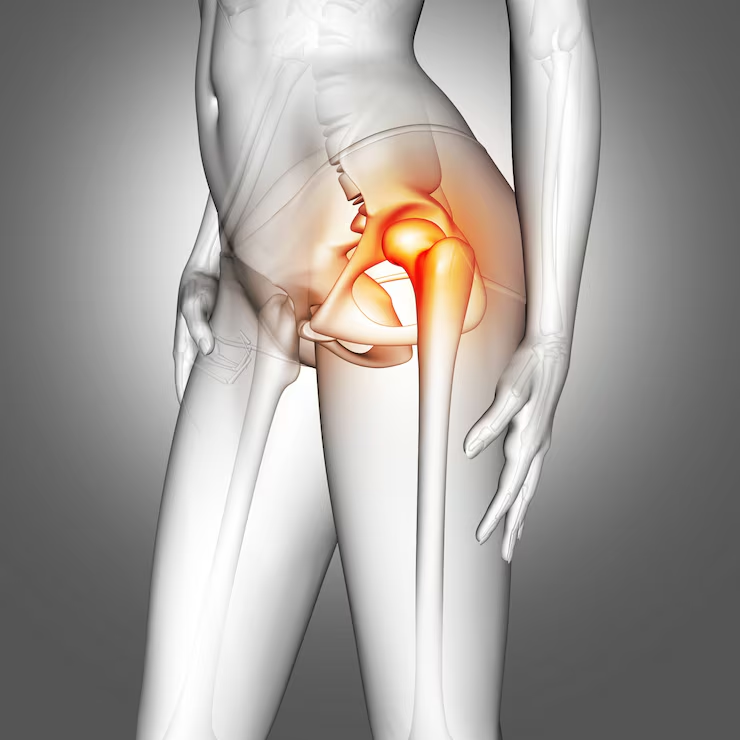
Hip replacement surgery replaces damaged parts of the hip joint with artificial components. It may be recommended when pain and stiffness from joint damage affect daily activities and non-surgical treatments have not provided enough relief.
Total hip replacement: Replaces the damaged ball and socket components.
Partial hip replacement: Replaces the femoral head in selected cases.
Hip resurfacing: Reshapes and covers the joint surface in selected patients.
Revision hip replacement: Replaces or revises components from an earlier hip implant.
An orthopaedic specialist assesses symptoms, mobility, medical history and imaging to determine whether surgery is appropriate. Recovery varies by procedure and individual health. Physiotherapy and following post-operative instructions help support rehabilitation.
Hip joint problems may cause pain, stiffness and difficulty performing everyday activities. Some people experience discomfort in the groin, thigh or buttock, while others notice reduced flexibility or difficulty walking, climbing stairs or getting up from a seated position.
Symptoms may develop gradually or occur following an injury. Persistent pain, reduced mobility or difficulty sleeping due to hip discomfort should be evaluated by an orthopaedic specialist. Not every hip problem requires surgery, and treatment depends on the underlying condition.
Before recommending hip replacement surgery, an orthopaedic specialist evaluates the patient’s symptoms, medical history, physical function and imaging results. This assessment helps determine the extent of joint damage and whether surgery may be appropriate.
Patients may undergo medical investigations to assess their general health and prepare for the procedure. The surgeon may also discuss the type of implant, surgical approach, anaesthesia, potential risks and expected rehabilitation. Preparation instructions should be followed as advised by the treating team.
Rehabilitation is an important part of recovery following hip replacement surgery. A physiotherapist may guide patients through exercises designed to improve strength, flexibility, balance and mobility. The rehabilitation plan is adjusted according to the procedure, individual progress and the surgeon’s recommendations.
Patients may gradually return to daily activities as recovery progresses. Following post-operative instructions, attending follow-up appointments and avoiding activities restricted by the treating team can help support recovery. The timeline for returning to work, driving or exercise varies from person to person.

Banjara hills

Trimulgherry

Uppal
If hip pain or stiffness is affecting your daily life, consult an orthopaedic specialist at Citi Neuro Centre to discuss suitable treatment options.
It may be considered for people with significant hip joint damage and persistent pain or mobility limitations despite non-surgical care.
Implant longevity varies with implant type, activity, health and other factors. Your surgeon can discuss individual expectations.
Recovery differs between patients. Many gradually resume daily activities over weeks to months with rehabilitation.
It is a commonly performed operation, but risks exist. Your surgeon will explain the potential benefits, risks and alternatives.
Total replacement treats both the ball and socket surfaces; partial replacement usually replaces only the femoral head.