Vertigo is the sensation that you or your surroundings are spinning or moving. It is a symptom, not a disease, and may arise from inner-ear, vestibular, migraine-related or neurological conditions. Identifying the cause helps guide appropriate treatment.
Conditions Associated with Vertigo
Common causes include Benign Paroxysmal Positional Vertigo (BPPV), Ménière’s disease, vestibular migraine, vestibular neuritis and labyrinthitis. Persistent postural-perceptual dizziness (PPPD) and other vestibular or neurological conditions may also cause dizziness and balance difficulties.
When to Seek Evaluation
Symptoms may include spinning sensations, light-headedness, unsteadiness, difficulty walking, nausea, movement-triggered dizziness, visual discomfort, or ringing and changes in hearing.
Emergency warning: Sudden dizziness with facial drooping, weakness or numbness, speech difficulty, double vision, severe unusual headache or inability to walk requires immediate emergency assessment, as it may indicate a stroke.
Finding the Cause
Assessment includes a review of symptom patterns, triggers, medical history and a clinical or neurological examination of eye movements, balance and coordination. Depending on the findings, tests may include positional testing (Dix–Hallpike), vestibular or hearing assessments, and MRI when a central neurological cause is suspected. Not every patient needs every test.
Vertigo Treatment & Management
Treatment depends on the diagnosis and may include canalith repositioning manoeuvres such as the Epley manoeuvre for BPPV, selected medicines for short-term symptom relief or underlying conditions, migraine management, and vestibular rehabilitation to improve balance and gaze stability.
Follow-up helps monitor recovery and address fall risk. Treatment and manoeuvres should be guided by a qualified clinician.
Vertigo Care & Balance Rehabilitation
Care focuses on identifying the source of dizziness and planning appropriate treatment. Depending on the patient’s needs, this may involve specialist assessment, selected diagnostic tests, vestibular rehabilitation and coordination with ENT services when hearing or inner-ear symptoms are present.
Why Choose Citi Neuro Centre?
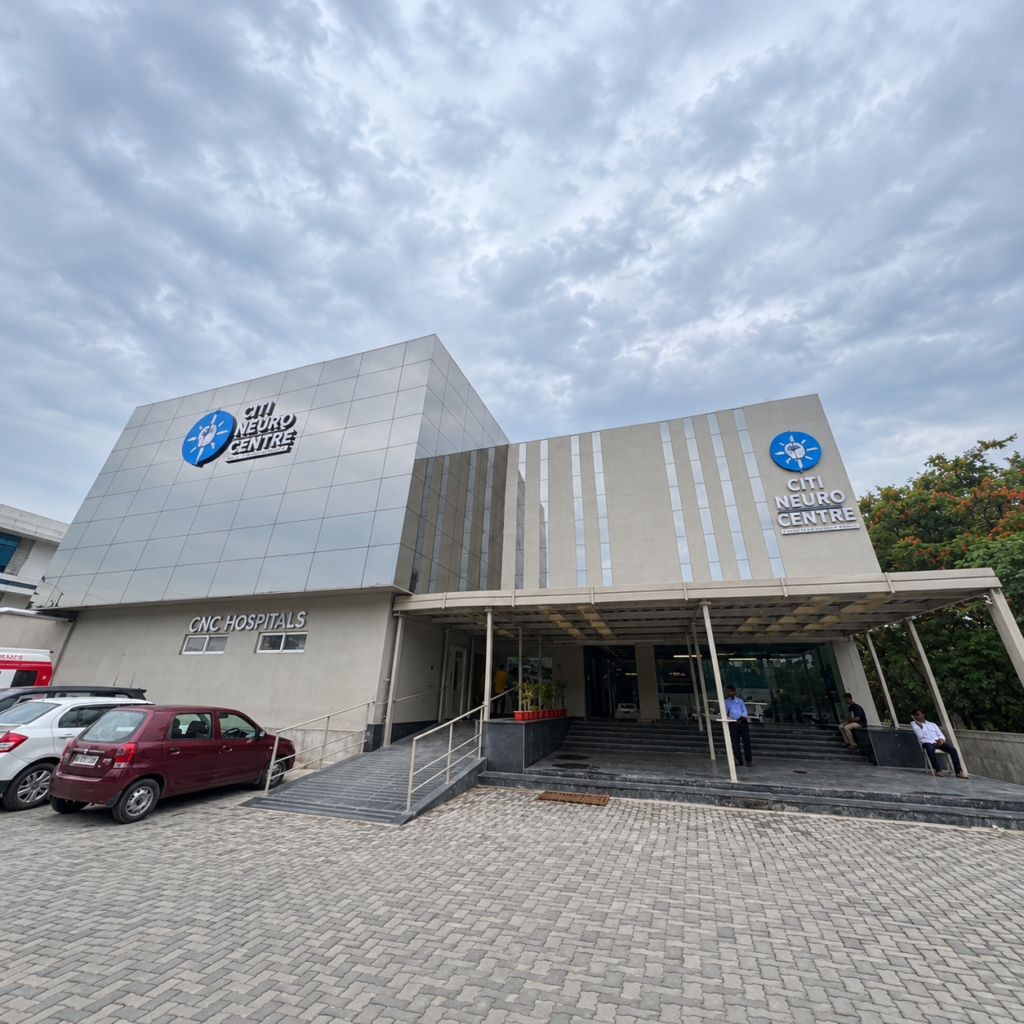
Citi Neuro Centre provides specialist care for conditions affecting the brain, spine and nervous system, with centres in Banjara Hills, Trimulgherry and Uppal, Hyderabad. Patients with vertigo or balance symptoms can be assessed to help determine whether neurological or other specialist evaluation is needed.
Experiencing persistent weakness, numbness or changes in movement? Consult a neurologist at Citi Neuro Centre for an evaluation and an appropriate care plan.
Vertigo is the sensation that you or your surroundings are spinning or moving. It can have inner-ear, migraine-related or neurological causes.
What are common causes of vertigo?
Common causes include BPPV, Ménière’s disease and vestibular migraine. Other vestibular and neurological conditions may also cause dizziness.
Which doctor should I consult for vertigo?
A neurologist or ENT specialist may be appropriate depending on the symptoms. An assessment can help determine the right evaluation.
Can BPPV be treated?
Many cases respond to canalith repositioning manoeuvres, such as the Epley manoeuvre. The appropriate manoeuvre depends on the affected inner-ear canal.
Does vertigo always indicate an ear problem?
No. Migraine and neurological conditions can also cause vertigo or dizziness.
When is vertigo an emergency?
Seek immediate care if sudden dizziness occurs with weakness, facial drooping, speech difficulty, double vision, severe headache or inability to walk.