

Specialist evaluation and surgical treatment options for spinal conditions affecting the back, neck, nerves and spinal cord.

Spinal conditions can cause back or neck pain, numbness, tingling, weakness and difficulty with movement. When symptoms persist or neurological function is affected, a spine specialist may recommend further evaluation to determine whether surgery or another treatment approach is appropriate.
Spine surgery includes procedures used to treat conditions affecting the vertebrae, discs, spinal cord or nerves. Depending on the diagnosis, surgery may aim to relieve nerve compression, stabilise the spine, correct deformity or address a structural problem.
Spine specialists may evaluate a range of conditions, including:
Treatment depends on the condition and individual clinical findings. Not every spinal disorder requires surgery.
Minimally invasive techniques use specialised instruments and smaller incisions to access selected spinal structures. They may be suitable for certain conditions, depending on anatomy and the surgeon’s assessment.
Spinal fusion joins two or more vertebrae to provide stability when indicated. The procedure may involve bone grafts and instrumentation.
In selected cases, an artificial disc may be used to replace a damaged spinal disc. Suitability depends on the diagnosis, spinal level and patient-specific factors.
Surgery may be discussed when symptoms do not improve with appropriate non-surgical treatment, when there is significant nerve compression or instability, or when a structural condition requires surgical management. The decision is based on examination, imaging, medical history and treatment goals.
Before surgery, the specialist reviews symptoms, medical history, imaging and available treatment options. After surgery, recovery may involve pain management, gradual movement, wound care, follow-up appointments and rehabilitation when recommended. Recovery time varies depending on the procedure and individual health.
Citi Neuro Centre provides evaluation and treatment discussions for a range of spinal conditions, including degenerative disorders, disc problems, spinal stenosis, deformities and selected complex conditions. Patients can consult a spine specialist to understand the diagnosis and discuss suitable treatment options.
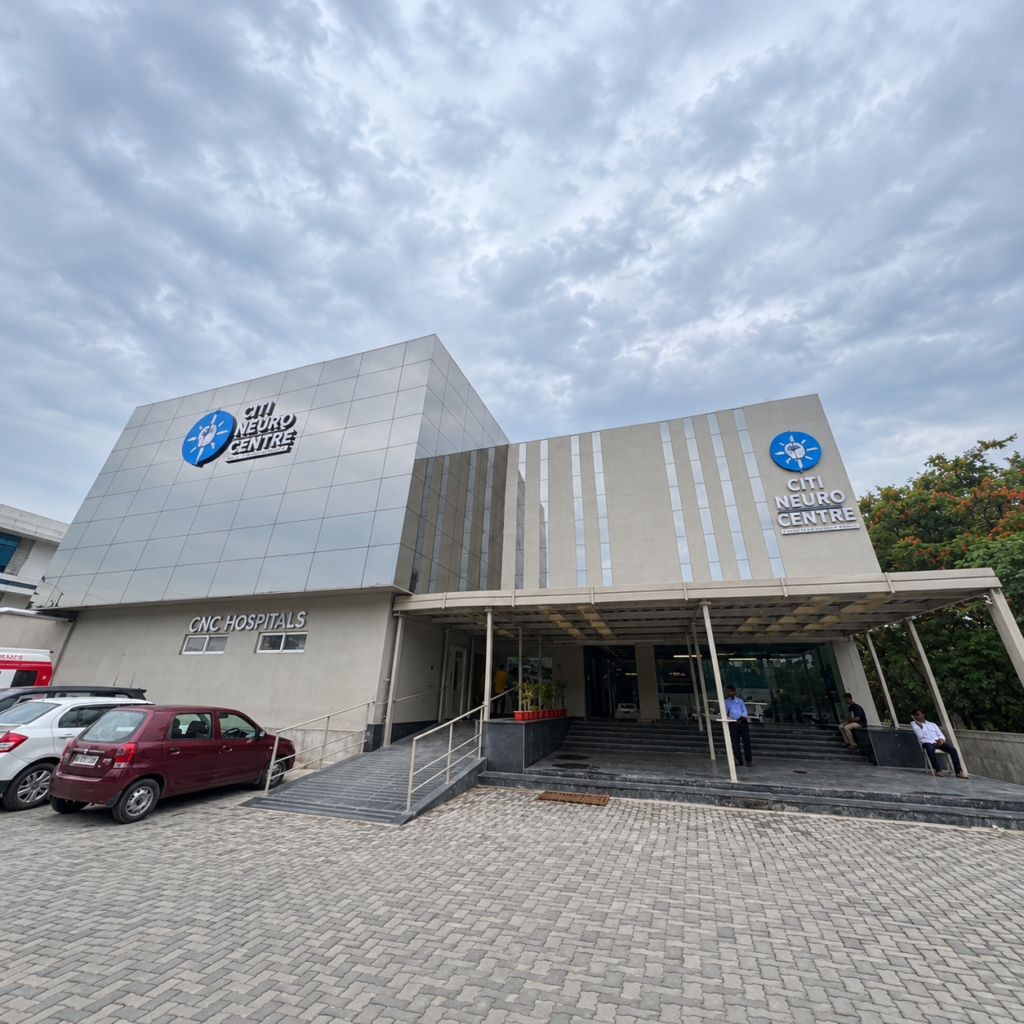
Banjara hills

Trimulgherry

Uppal
If back or neck pain, numbness or weakness is affecting your daily life, consult a spine specialist at Citi Neuro Centre to understand the cause and discuss appropriate treatment options.
No. Many spinal conditions can be managed without surgery. A specialist evaluates symptoms and diagnostic findings before recommending treatment.
Consider an evaluation if back or neck pain, numbness, tingling or weakness persists or affects daily activities. Sudden weakness or loss of bladder or bowel control requires urgent medical attention.
No. Suitability depends on the condition, anatomy, overall health and the planned procedure.
Recovery varies by procedure and individual factors. Your surgeon can explain the expected recovery plan.
Risks vary by procedure and may include infection, bleeding, nerve injury or anaesthesia-related complications. Your specialist will discuss relevant risks and alternatives.