

Physiotherapy and rehabilitation support for individuals experiencing movement, balance, coordination and muscle-function difficulties associated with neurological conditions.

Neurological conditions affecting the brain, spinal cord and nerves can interfere with communication between the nervous system and muscles. This may result in muscle weakness, reduced sensation, tremors, spasms, poor balance or difficulty walking.
Comprehensive physiotherapy uses structured exercises, guided movement and therapeutic techniques to help patients work towards improving physical function and independence. Rehabilitation is planned according to each patient’s condition, abilities and clinical assessment.
Neurological physiotherapy may form part of rehabilitation for people experiencing movement or functional difficulties associated with conditions such as:
The type of rehabilitation required depends on the individual’s symptoms, functional abilities and clinical assessment.
A physiotherapy assessment may be useful when a person experiences muscle weakness, difficulty walking, reduced balance, coordination problems, restricted movement, changes in muscle tone or difficulty performing everyday activities following a neurological condition.
Sudden weakness, facial drooping, difficulty speaking or sudden loss of balance may indicate a medical emergency. Seek emergency medical attention rather than waiting for a physiotherapy appointment.
Physiotherapy begins with an assessment of the patient’s movement, muscle strength, balance, coordination and functional abilities. The physiotherapist also considers the person’s medical history, diagnosis and rehabilitation goals.
Based on the findings, an individualised rehabilitation plan may be recommended. The type, intensity and duration of therapy vary according to the patient’s condition and response to treatment.
Depending on the patient’s assessment and rehabilitation needs, physiotherapy may include:
Not every approach is suitable for every patient. The treating physiotherapist determines the appropriate activities and progression.
Rehabilitation goals are individualised and may focus on:
Movement: Practising controlled movement for daily activities.
Strength: Addressing muscle weakness through guided exercises.
Balance: Improving stability and coordination during movement.
Functional independence: Supporting everyday mobility and activity participation.
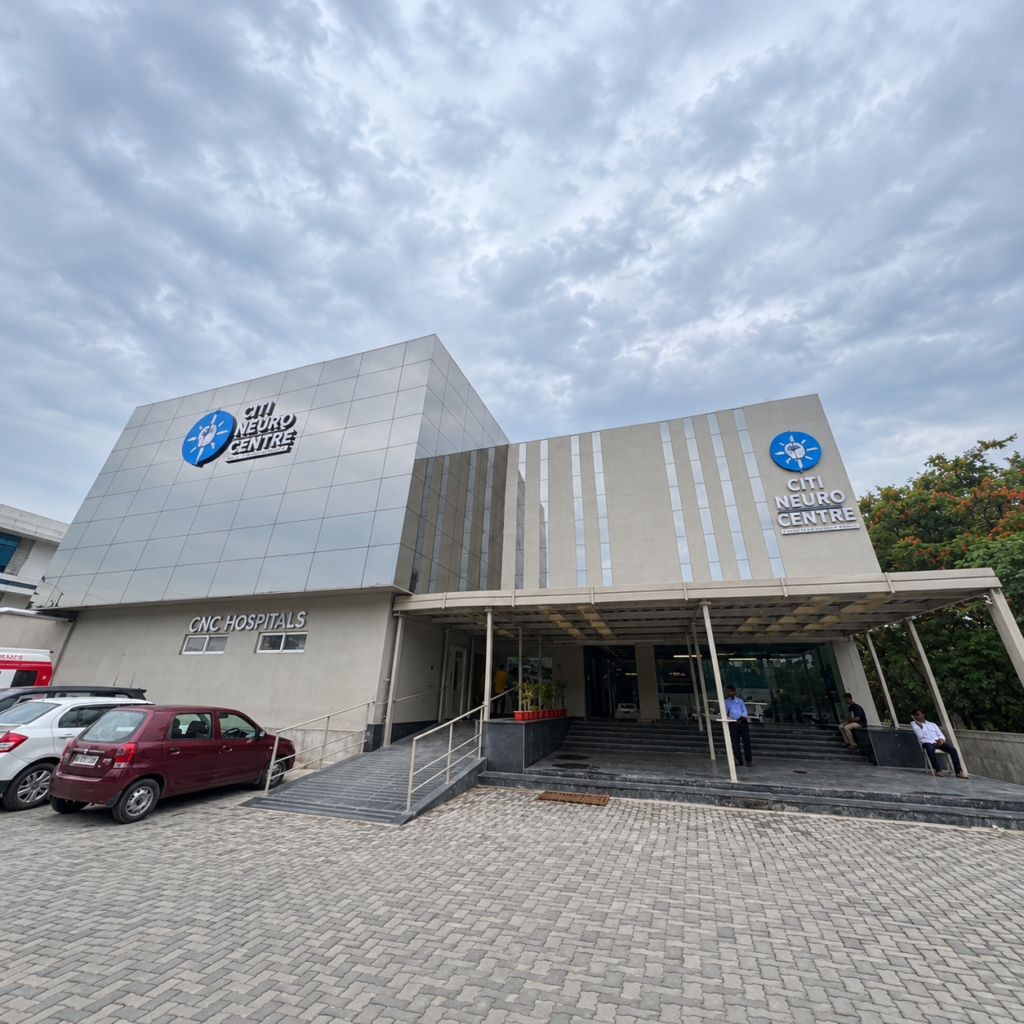
Citi Neuro Centre provides neurological care and rehabilitation support for patients with conditions affecting the brain, spinal cord and nerves. Physiotherapy is planned according to the patient’s clinical condition, functional needs and rehabilitation goals.
Patients and caregivers can discuss suitable rehabilitation options with the treating specialist and physiotherapy team.
Banjara hills

Trimulgherry

Uppal
Consult the physiotherapy team at Citi Neuro Centre to discuss your rehabilitation needs and understand the available care options.
Neurological physiotherapy focuses on movement and functional difficulties associated with conditions affecting the brain, spinal cord and nerves.
Stroke, cerebral palsy, Parkinson’s disease, multiple sclerosis, spinal cord injuries, brain injuries and peripheral neuropathy may require rehabilitation assessment.
Physiotherapy may help address movement, balance, strength and mobility difficulties following a stroke. The rehabilitation plan depends on the patient’s condition.
A physiotherapist assesses the patient’s physical abilities and limitations before recommending suitable exercises and rehabilitation activities.