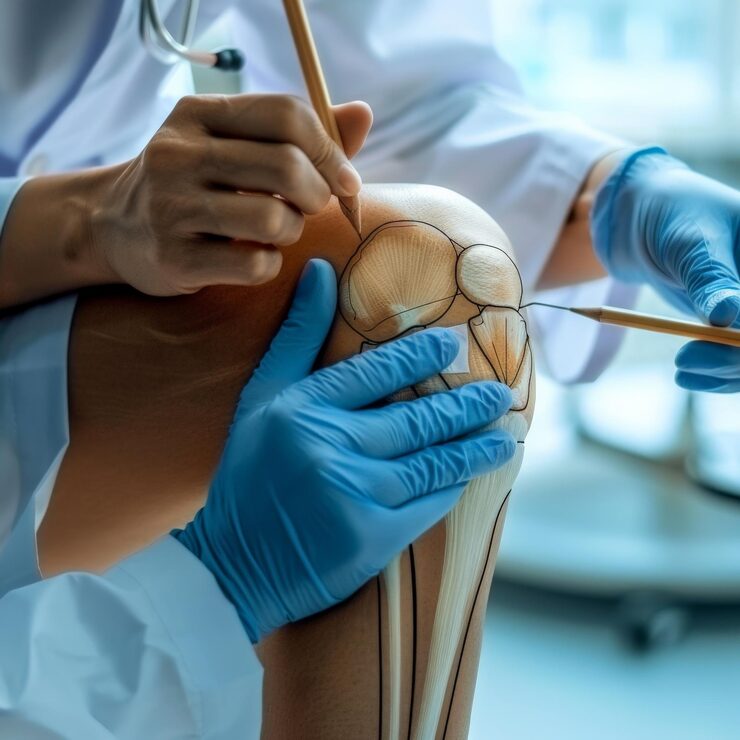
Minimally invasive techniques to diagnose and treat selected joint conditions, helping patients explore appropriate options for improved joint function and mobility.
Arthroscopy is a minimally invasive procedure in which a surgeon uses a small camera and specialised instruments to examine or treat problems inside a joint. It may be performed on the knee, shoulder, ankle, hip or other joints, depending on the condition.
When Is Arthroscopy Considered?
Arthroscopy may be recommended for selected joint conditions, including:
Meniscus or cartilage injuries
Ligament injuries, such as selected ACL problems
Shoulder problems, including rotator cuff or labral injuries
Loose fragments or inflammation inside a joint
The need for surgery depends on symptoms, examination, imaging and response to non-surgical treatment.
How Is Arthroscopy Performed?
The surgeon makes small incisions and inserts a camera and instruments into the joint. The procedure and anaesthesia depend on the joint and condition being treated.
Common Benefits and Considerations of Arthroscopy
Arthroscopy allows surgeons to examine and treat selected joint problems through small incisions using a camera and specialised instruments. Depending on the condition, it may help address certain injuries or abnormalities within the joint while limiting the size of the surgical incisions.
However, arthroscopy is still a surgical procedure and may involve risks such as infection, bleeding, stiffness or complications related to anaesthesia. The potential benefits, risks and alternatives should be discussed with an orthopaedic specialist before proceeding.
What to Expect Before Arthroscopy
Before arthroscopy, the orthopaedic specialist reviews the patient’s symptoms, medical history and physical examination findings. Imaging investigations, such as X-rays or MRI, may be recommended to understand the joint condition and determine whether surgery is appropriate.
Patients may undergo pre-operative assessments and receive instructions regarding medications, fasting and admission arrangements. Preparation depends on the joint being treated, the procedure planned and the patient’s overall health.
Recovery and Rehabilitation After Arthroscopy
Recovery following arthroscopy varies depending on the joint, the condition treated and the type of procedure performed. Some patients may resume selected activities relatively early, while others require a longer period of rehabilitation.
Physiotherapy may be recommended to improve joint movement, strength, flexibility and stability. Patients should follow the surgeon’s post-operative instructions and return to activities gradually as advised. The recovery timeline and rehabilitation goals are individualised.
If joint pain, stiffness or an injury is affecting your movement, consult an orthopaedic specialist at Citi Neuro Centre to discuss suitable treatment options.