@Banjarahills - 94949 84747

@Trimulgherry - 90529 84747
@Uppal - 99855 84747

@Miyapur - 96753 19999
EMAIL:

appointments@cncmail.in

How Dementia & Alzheimer’s Disease Progress (Early Signs & Management)

How Dementia & Alzheimer’s Disease Progress (Early Signs & Management)

If someone you care about has begun forgetting appointments or asking the same questions repeatedly, it’s natural to worry. Dementia is a syndrome of memory loss and cognitive decline that gets worse over time . Alzheimer’s disease is a specific brain disease and the most common cause of dementia (about 60–70% of cases) . Worldwide, roughly 57 million people live with dementia today, with nearly 10 million new cases each year . There is currently no cure , but understanding and to know the early signs of dementia, how it advances through stages, and how to manage it and where to take the best treatment for dementia in Hyderabad can greatly help families cope. In this post, we’ll explain what to look for, describe the typical stages of Alzheimer’s disease, and discuss effective management strategies so you and your loved one can navigate this journey together.

Early Signs of Dementia and Alzheimer’s

Often the first warning signs are subtle. The most common red flags include trouble with memory for recent events. For example, a person may repeatedly forget recently learned information (like names or conversations) or lose track of where they placed everyday items . Everyday tasks can become challenging: paying bills, following a recipe, or planning a familiar route may suddenly seem confusing . People might also have trouble finding words or following conversations.

Family and friends often notice mood and behavior changes too. A normally social person might withdraw, become irritable, anxious, or indifferent to people and activities they used to enjoy . It’s easy to dismiss occasional forgetfulness as “just aging,” but dementia involves multiple warning signs. In practice, doctors look for the early signs of dementia, such as getting lost in a familiar neighborhood or repeatedly asking the same questions in a short time . If you recognize several of these warning signs in a loved one, it’s wise to consult a doctor for best treatment for dementia in Hyderabad for a full evaluation.

Stages of Dementia and Alzheimer’s Disease

Dementia typically worsens in stages. In Alzheimer’s, experts often describe three broad stages: mild (early), moderate (middle), and severe (late) . In fact, brain changes begin years before symptoms appear (a “preclinical” phase that only researchers can detect) . Mild cognitive impairment (MCI) may be diagnosed when memory or thinking problems are noticeable but not yet disabling.

  • Mild/Early Stage: A person remains mostly independent but may notice small lapses. They might forget names, misplace objects (e.g., keys), or occasionally struggle to remember what they just read. Loved ones usually notice these slips first. Daily life is mostly intact, but learning new information may take longer.

  • Moderate/Middle Stage: Symptoms become more obvious. The person may frequently forget details like addresses or phone numbers and become confused about where they are or what day it is . Routine tasks like dressing or shopping require help or prompting. Personality and behavior changes often emerge mood swings, wandering, or new suspicions .

  • Severe/Late Stage: Symptoms are profound. Individuals lose the ability to respond to their environment or communicate clearly . They require full-time assistance with personal care (eating, bathing, dressing). Memory for even recent events vanishes, and physical abilities decline . Comfort and gentle care become the focus, and planning for end-of-life support may be needed .

Understanding these stages of Alzheimer’s disease helps families prepare, plan care, and ensure safety. Early planning is especially important for legal, financial, and caregiving decisions

Managing Dementia and Alzheimer’s

Caregivers can assist with simple daily tasks and help maintain gentle routines. Managing dementia involves both practical strategies and medical support. Speak clearly and patiently, using short, simple sentences and eye contact, focusing on one idea at a time . Regular management strategies for treatment of dementia in Hyderabad  include keeping a consistent schedule and using memory aids (calendars, notes, pill organizers) to help orientation. Gentle exercise and social engagement, like daily walks or music, can improve mood and stimulate the brain

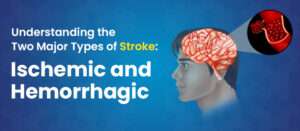
Neuroimaging  such as MRI and CT  is essential for diagnosing neurological disorders, including stroke. These imaging methods allow neurologists to differentiate between ischemic and hemorrhagic stroke, guiding fast decision-making in a stroke care hospital setting.

Key Interventions

  1. Medications:
    Cholinesterase inhibitors (e.g., donepezil, rivastigmine) help improve memory and judgment in Alzheimer’s and other dementias. Memantine can help moderate-to-severe cases. These medications don’t cure dementia but may slow symptom progression. Managing blood pressure, cholesterol, and other health conditions also helps prevent further brain damage .

  2. Lifestyle and Cognitive Support:
    Regular physical exercise, a balanced diet, and mental activities (puzzles, reading, music, social clubs) support brain health . Occupational or speech therapy can teach coping strategies and make the home safer (removing hazards, labeling drawers, installing night lights) .

  3. Environment and Routines:
    A structured environment reduces frustration. Reduce clutter, post schedules, keep familiar items in the same place, and maintain routines for meals, bathing, and bedtime. For wandering concerns, discreet alarms or ID cards can improve safety .

  4. Support and Planning:
    Caregivers should access support groups, counseling, and educational resources. Discuss advance directives and financial planning while the person can still participate. Sharing caregiving duties and taking breaks is essential to prevent burnout .

Combining medical treatments with these strategies can help maintain quality of life and independence as long as possible .

Conclusion

While dementia and Alzheimer’s disease are progressive and currently incurable, understanding the early signs and treatment for dementia in Hyderabad, the stages of Alzheimer’s disease, and effective management strategies can make a significant difference in the lives of patients and caregivers. Early recognition allows timely medical evaluation, lifestyle adjustments, and planning for future care. Families can focus on maintaining dignity, comfort, and engagement, creating meaningful moments even as the disease progresses. With knowledge, patience, and support, people affected by dementia can live safely and with improved quality of life, while caregivers find guidance and reassurance on this challenging journey.

Recent Posts

Conclusion

What is the difference between dementia and Alzheimer’s disease?

Dementia is a broad term describing symptoms of memory loss and cognitive decline. Alzheimer’s disease is the most common cause of dementia and involves specific changes in the brain leading to progressive memory loss and cognitive impairment.

Common early signs include forgetfulness, difficulty performing routine tasks, confusion about time or place, language difficulties, and noticeable personality or mood changes. Paying attention to multiple warning signs is important for early diagnosis.

Currently, there is no cure. However, medications and lifestyle interventions can slow symptom progression, improve quality of life, and help individuals maintain independence for longer.

Caregivers should provide a structured environment, use memory aids, encourage exercise and mental engagement, maintain routines, seek medical support, and access community or professional caregiving resources to reduce stress and improve safety.

Life expectancy varies, but many people live several years after diagnosis, often 8–10 years or more. Early diagnosis, medical management, and supportive care can improve quality of life during this period.

Appointment

Click Here for Appointment

Appointment

Click Here for Appointment