
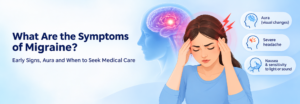
What Are the Symptoms of Migraine? Early Signs, Aura and When to Seek Medical Care
A migraine is more than just a severe headache. It is a neurological condition that can cause a combination of
A migraine is more than just a severe headache. It is a neurological condition that can cause a combination of head pain, nausea, sensitivity to light and sound, visual disturbances and other symptoms. For some people, the symptoms begin hours before the headache develops and may continue even after the pain subsides.
Recognising the symptoms of migraine can help individuals understand their headache patterns and identify when medical evaluation may be necessary.
But how can you tell whether a headache is a migraine? What are the early warning signs, and how does migraine with aura differ from migraine without aura?
Understanding these symptoms can help you recognise changes in your health and seek appropriate medical advice.
Migraine is a neurological disorder characterised by recurring attacks that can involve headache and other neurological or sensory symptoms. The pain is often moderate to severe and may interfere with routine activities.
A migraine headache commonly causes a throbbing or pulsating sensation, often on one side of the head. However, it can affect both sides in some individuals.
Unlike an ordinary headache, migraine may also involve nausea, vomiting, sensitivity to light or sound, and temporary visual or sensory disturbances.
Not everyone experiences migraine in the same way. Some people have frequent attacks, while others experience them occasionally. The symptoms, duration and intensity can also vary from one attack to another.
Migraine symptoms can affect more than the head. They may involve the digestive system, sensory processing and neurological functions.
Some of the commonly reported symptoms include:
Migraine pain is often described as throbbing or pulsating. It may affect one side of the head, although pain can occur on both sides. The intensity can range from moderate to severe and may interfere with daily activities.
Some people experience nausea during a migraine attack, and in certain cases, vomiting may also occur. These symptoms can make it difficult to eat, drink or continue normal activities.
Bright lights, sunlight, computer screens and other visual stimuli may become uncomfortable during a migraine attack. Some individuals prefer resting in a dark or quiet room.
Everyday sounds, including conversations, traffic and television, may feel unusually loud or unpleasant. This sensitivity can make busy environments difficult to tolerate.
Certain smells, including perfumes, smoke or strong food odours, may become unpleasant and can be associated with nausea or worsening discomfort.
Routine movements such as walking, climbing stairs or bending down may aggravate migraine pain. Some people prefer to avoid physical activity until the attack improves.
Not everyone experiences all these symptoms. The combination and severity can differ between individuals.
Migraine symptoms may begin before the headache itself. This early stage is known as the prodrome phase and can occur several hours or even a few days before the headache.
Possible early warning signs include:
These symptoms are not exclusive to migraine and may occur for other reasons. However, noticing a recurring pattern of such changes before a headache may help individuals recognise their migraine attacks.
A migraine attack may involve different phases. Not everyone experiences all of them, and the phases may overlap.
The four commonly described phases are prodrome, aura, headache and postdrome.
The prodrome phase occurs before the headache begins. It may start hours or days before the main attack.
During this stage, a person may experience fatigue, frequent yawning, food cravings, mood changes, neck discomfort or difficulty concentrating.
Recognising these recurring early changes may help individuals identify patterns in their migraine attacks.
Aura refers to temporary neurological symptoms that can occur before or during a migraine headache. It is commonly associated with changes in vision, sensation or speech.
Possible symptoms include:
Aura symptoms usually develop gradually and are temporary. They commonly resolve within an hour.
However, sudden or new neurological symptoms, particularly weakness, speech difficulty or vision loss, should not automatically be attributed to migraine. They require urgent medical assessment to rule out other conditions, including stroke.
This is the phase most commonly associated with migraine. It may involve moderate to severe head pain, often described as throbbing or pulsating.
Other symptoms may include:
An untreated migraine attack commonly lasts between 4 and 72 hours, although the duration can vary.
The postdrome phase occurs after the headache begins to resolve. Some people describe this as a migraine hangover.
Possible symptoms include:
Although the headache may have improved, the person may not immediately feel back to normal.
A migraine is more than just a severe headache. It is a neurological condition that can cause a combination of
When an older adult begins walking more slowly, struggles to maintain balance, or experiences changes in memory, these symptoms are

A sudden episode of weakness, numbness, difficulty speaking, vision changes, or dizziness may last only a few minutes and then

Sleep is not simply a period of rest it is an essential neurological process that supports brain function, memory consolidation,
Migraine is commonly classified into migraine with aura and migraine without aura.
Migraine with aura: This involves temporary neurological symptoms, often affecting vision, sensation or speech. Aura symptoms may occur before or alongside the headache.
Migraine without aura: This involves migraine attacks without the typical aura symptoms. Individuals may still experience throbbing head pain, nausea, vomiting and sensitivity to light or sound.
Aura does not occur in every person with migraine. The presence or absence of aura is one factor a healthcare professional considers when assessing a person’s headache history.
Yes. Migraine can involve symptoms beyond head pain because it is a neurological condition.
Some associated symptoms include:
Some individuals may also experience migraine attacks without a prominent headache. Therefore, recurring neurological or sensory symptoms should be assessed in the context of a person’s overall medical history.
Migraine triggers vary from person to person. A factor that triggers an attack in one individual may not affect another.
Commonly reported triggers include:
Keeping a headache diary can help identify recurring patterns. Recording the timing, duration, symptoms, possible triggers and response to treatment may provide useful information during a medical consultation.
Occasional headaches may not always indicate an underlying neurological condition. However, recurring, severe or changing headache patterns should be evaluated by a healthcare professional.
Consider arranging a medical consultation if:
Seek emergency medical attention if you experience a sudden, extremely severe headache, sudden weakness or numbness, difficulty speaking, sudden vision loss, confusion, seizures, or a severe headache accompanied by fever and neck stiffness.
These symptoms can indicate conditions that need urgent evaluation. Do not assume that sudden neurological symptoms are caused by migraine, even if you have experienced migraine before.
Migraine diagnosis is generally based on a person’s medical history, headache characteristics and associated symptoms.
During an evaluation, a healthcare professional may ask about:
A neurological examination may also be performed. Imaging or other investigations may be recommended when the symptoms, examination findings or medical history indicate a need to investigate other possible causes.
An accurate assessment helps distinguish migraine from other types of headaches and conditions that may require different medical attention.
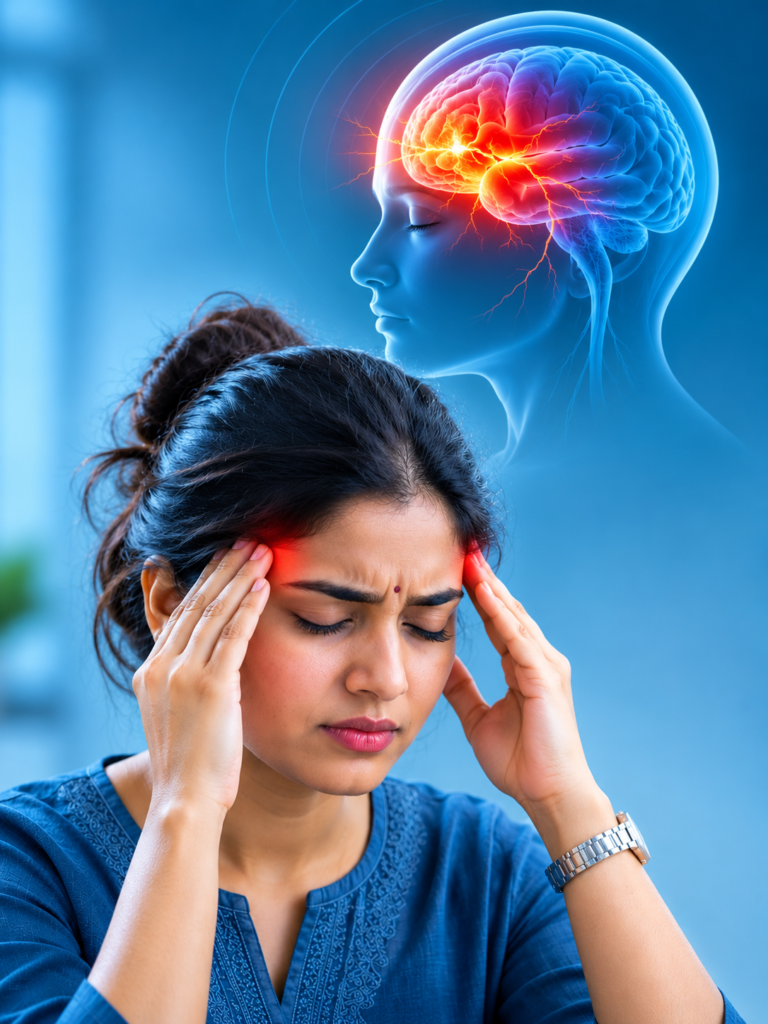
Migraine symptoms can vary significantly between individuals. Recognising early warning signs, understanding the different phases and identifying changes in headache patterns can help people seek timely medical evaluation.
If you experience recurring, severe or changing headaches, a neurological assessment can help identify the possible cause and guide appropriate care.
Explore Headache Management at Citi Neuro Centre to learn more about the centre’s approach to evaluating and managing headache conditions.
Early signs may include frequent yawning, fatigue, mood changes, food cravings, neck discomfort and difficulty concentrating. These symptoms can occur before the headache begins.
Migraine commonly involves moderate to severe head pain, often with nausea, sensitivity to light or sound, and worsening discomfort during routine physical activity. A healthcare professional can assess the symptoms and determine whether they fit migraine.
Yes. Some individuals experience migraine-related neurological symptoms without a prominent headache. These episodes still require appropriate assessment, particularly when symptoms are new or unusual.
An untreated migraine headache commonly lasts between 4 and 72 hours. The overall experience may be longer when early warning symptoms and postdrome symptoms are included.
Migraine with aura involves temporary neurological symptoms such as visual disturbances, tingling or speech difficulties. Migraine without aura occurs without these typical aura symptoms.
Yes. Dizziness and visual disturbances can occur with migraine. However, sudden vision changes or new neurological symptoms need urgent medical assessment to rule out other causes.
Consider consulting a neurologist if headaches are frequent, severe, changing in pattern or interfering with everyday activities. Sudden severe headaches or new neurological symptoms require urgent assessment.
