

Supporting recovery, function and greater independence after neurological illness or injury.
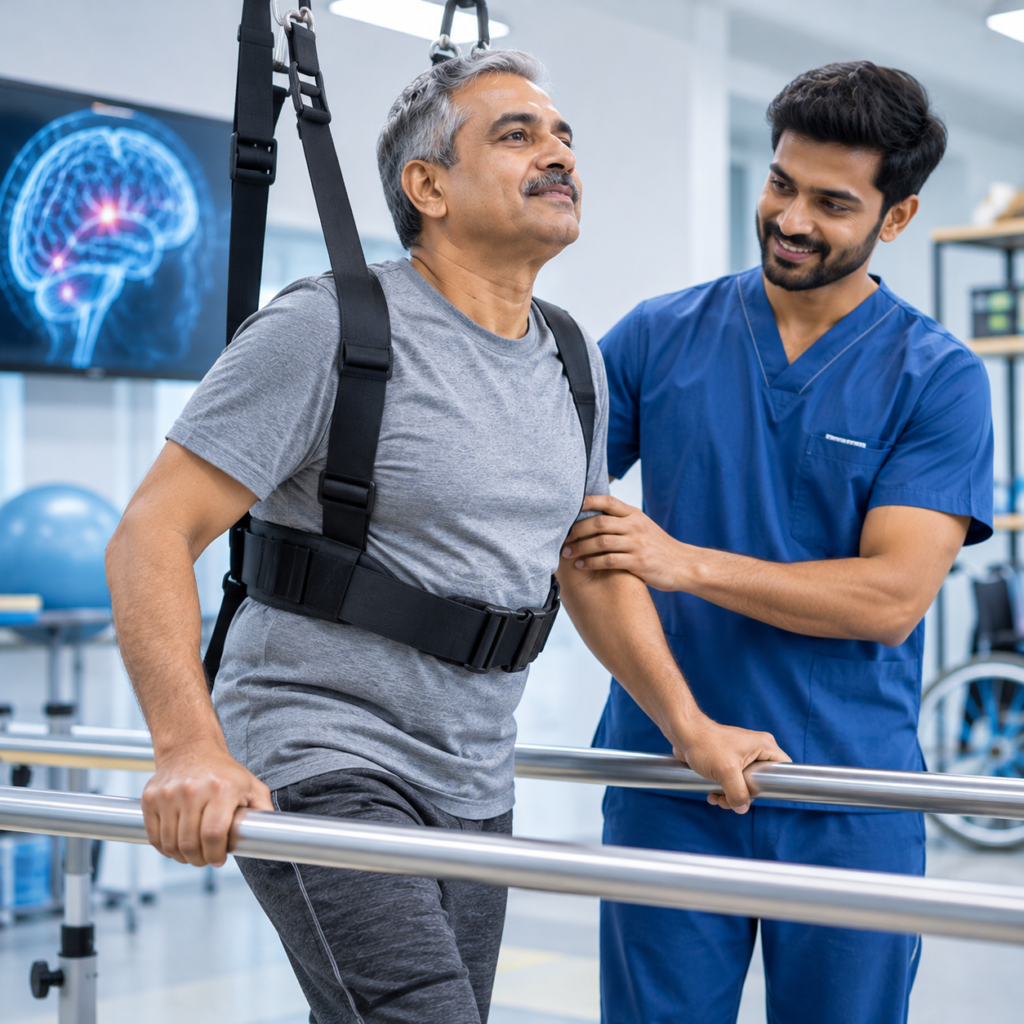
Neurorehabilitation is a structured programme of therapies designed to help people improve movement, communication, thinking skills and everyday functioning after a condition affecting the brain, spinal cord or nerves. It focuses on the abilities that matter in daily life, such as walking safely, using the hands, speaking, swallowing, remembering information and managing routine activities.
The rehabilitation plan is individualised. It depends on the diagnosis, the person’s current abilities, medical stability, goals and response to therapy. Progress can vary, and rehabilitation may be needed at different stages of recovery.
A neurorehabilitation programme may be considered for people living with functional difficulties related to:
Common Difficulties Addressed: Neurological conditions can affect people in different ways. Rehabilitation may address:
Assessment and Individualised Rehabilitation Planning: The team begins by understanding the person’s medical history, diagnosis, current abilities and rehabilitation goals. Assessment may include movement, muscle strength, joint range, balance, walking, coordination, sensation, communication, swallowing, cognition and ability to perform daily activities, depending on the person’s needs.
The findings help the team establish practical goals and select appropriate therapies. The plan is reviewed as abilities and needs change.
The goals are practical and person-centred. They may include improving safe mobility, developing balance and coordination, increasing upper-limb use, supporting communication and swallowing, improving attention and memory strategies, and making everyday activities easier to manage.
The aim is to maximise functional ability, support participation in home and community life, and help caregivers understand how to assist safely. Outcomes differ between individuals; no particular level of recovery can be guaranteed.
Neurorehabilitation often requires input from more than one discipline. Depending on the person’s condition, care may involve neurologists, rehabilitation physicians, physiotherapists, occupational therapists, speech and language therapists, psychologists and nursing professionals. The treating team determines which specialists and therapies are appropriate.
Family members and caregivers can also play an important role by reinforcing recommended strategies and supporting safe practice at home.
Citi Neuro Centre provides neurological care and rehabilitation support for patients with functional difficulties associated with neurological conditions. The rehabilitation approach should be based on individual assessment, coordinated clinical recommendations and clearly defined functional goals.
Patients and caregivers can contact the centre to understand the available rehabilitation services, appointment process, therapy schedule and the clinical team involved. Please confirm the specific therapies, equipment and programme details with CNC before publishing this section.
Consider discussing rehabilitation with the treating doctor when a neurological condition affects walking, balance, arm or hand use, speech, swallowing, memory, attention or independence in daily activities. Early discussion can help identify suitable rehabilitation needs and establish realistic goals.
Sudden weakness or numbness, facial drooping, new difficulty speaking, sudden loss of balance or sudden vision changes may indicate a medical emergency such as stroke. Seek emergency medical care immediately rather than waiting for a rehabilitation appointment.
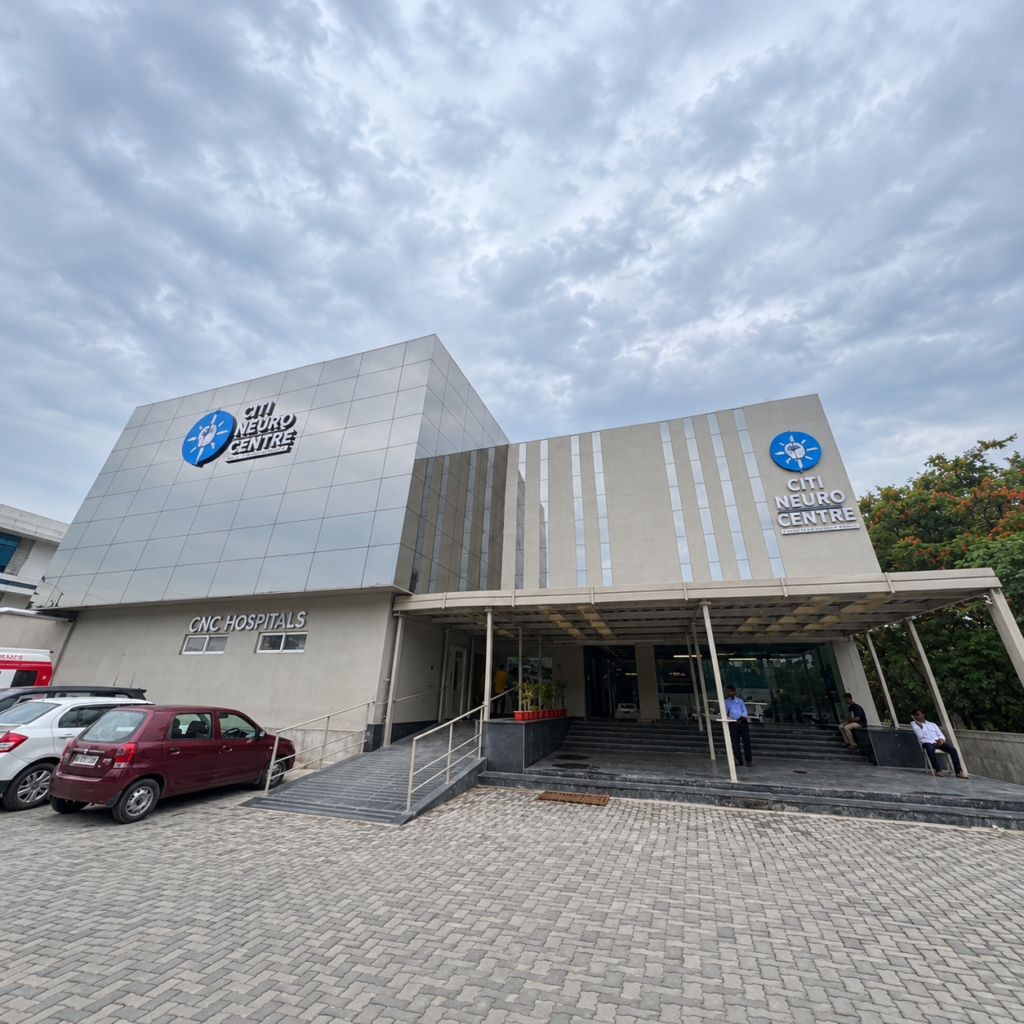
Banjara hills

Trimulgherry

Uppal
Take the next step towards a structured rehabilitation plan. Contact Citi Neuro Centre to discuss an assessment and the rehabilitation services available for your needs.
It is a planned programme of therapies that aims to improve function and independence after conditions affecting the nervous system.
People who experience difficulties with movement, communication, thinking, swallowing or daily activities after a neurological illness or injury may benefit from an assessment.
The timing depends on medical stability and the treating team’s assessment. Rehabilitation may begin when the person is medically ready, with the type and intensity adjusted to individual needs.
There is no fixed duration. It depends on the condition, severity, goals, health status and response to therapy.
No. Recovery varies from person to person. Rehabilitation aims to improve functional ability and support the highest level of independence possible.
Yes. With guidance from the treating team, caregivers can learn safe assistance techniques and ways to support recommended activities at home.