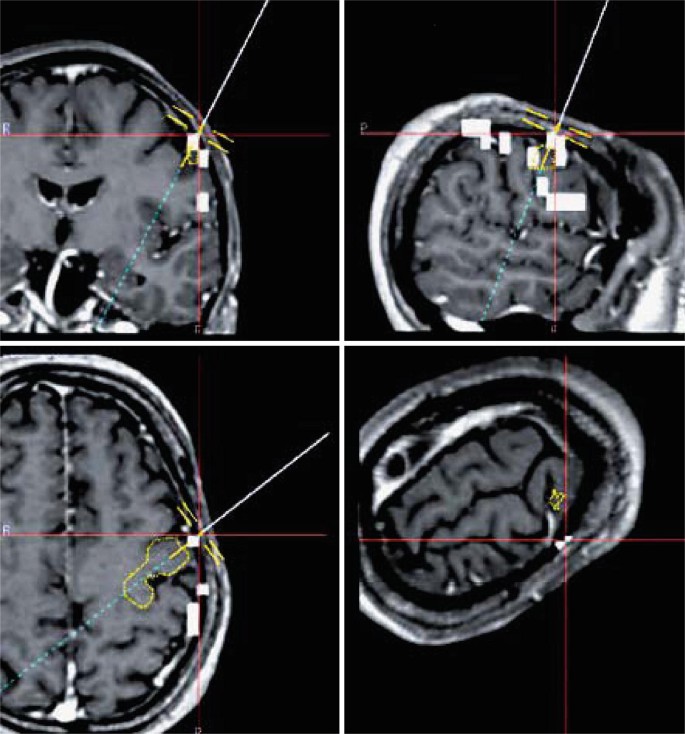
Neuronavigation is an image-guided technology used in neurosurgery to help surgeons navigate the brain and other structures during selected procedures. By integrating medical images with the patient’s anatomy, it provides a visual reference that can support surgical planning and intraoperative orientation.
What Is Neuronavigation?
Neuronavigation works like a guidance system for neurosurgery. Preoperative scans, such as MRI or CT images, are used to create a detailed map of relevant anatomical structures. During surgery, the system helps the surgical team relate the instruments’ position to the images.
How Does Neuronavigation Work?
The process generally involves acquiring medical images, planning the surgical approach and registering the patient’s anatomy with those images. During the procedure, tracking technology displays the instrument position on the image-based map, helping the surgeon maintain orientation.
When Is Neuronavigation Used?
Neuronavigation may be considered for selected neurosurgical procedures where precise anatomical orientation is important. Its use depends on the condition, the planned operation, available imaging and the surgeon’s clinical judgment.
Potential applications may include:
Selected brain tumour procedures
Biopsy or other procedures involving targeted brain structures
Certain complex or anatomically challenging neurosurgical cases
Potential Benefits of Neuronavigation
Neuronavigation can help the surgical team:
Visualise relevant anatomy using medical images
Plan and review a surgical route
Maintain orientation during selected procedures
Locate targeted structures in relation to surrounding anatomy
Neuronavigation is a support tool, not a guarantee of surgical outcomes. Its usefulness and limitations vary by procedure and patient.
Is Neuronavigation Suitable for Every Patient?
No. Neuronavigation is not required for every neurosurgical procedure. The treating neurosurgeon evaluates the diagnosis, imaging, surgical plan and individual clinical needs to determine whether it may be useful.
Neuronavigation at Citi Neuro Centre
At Citi Neuro Centre, patients can discuss their diagnosis and potential surgical options with the neurosurgical team. The care team can explain whether image-guided techniques such as neuronavigation may be relevant to the proposed procedure.
Experiencing persistent weakness, numbness or changes in movement? Consult a neurologist at Citi Neuro Centre for an evaluation and an appropriate care plan.
It is often described as a guidance system because it relates surgical instruments to medical images. However, it is a specialised surgical technology and not identical to everyday GPS.
Does neuronavigation replace the neurosurgeon’s judgment?
No. It is an assistive technology used by the surgical team. Decisions are made by the treating neurosurgeon based on the patient’s condition and the procedure.
Is neuronavigation used in every brain surgery?
No. It is used selectively when the surgeon considers it helpful for the planned procedure.
Does neuronavigation guarantee a safer surgery?
No technology can guarantee an outcome. Potential benefits and risks depend on the condition, procedure and individual patient factors.
How can I know if neuronavigation is suitable for me?
Discuss your diagnosis, imaging and treatment plan with a neurosurgeon, who can explain whether neuronavigation may be appropriate.